Mafe (Maafe) – Senegalese Peanut Stew

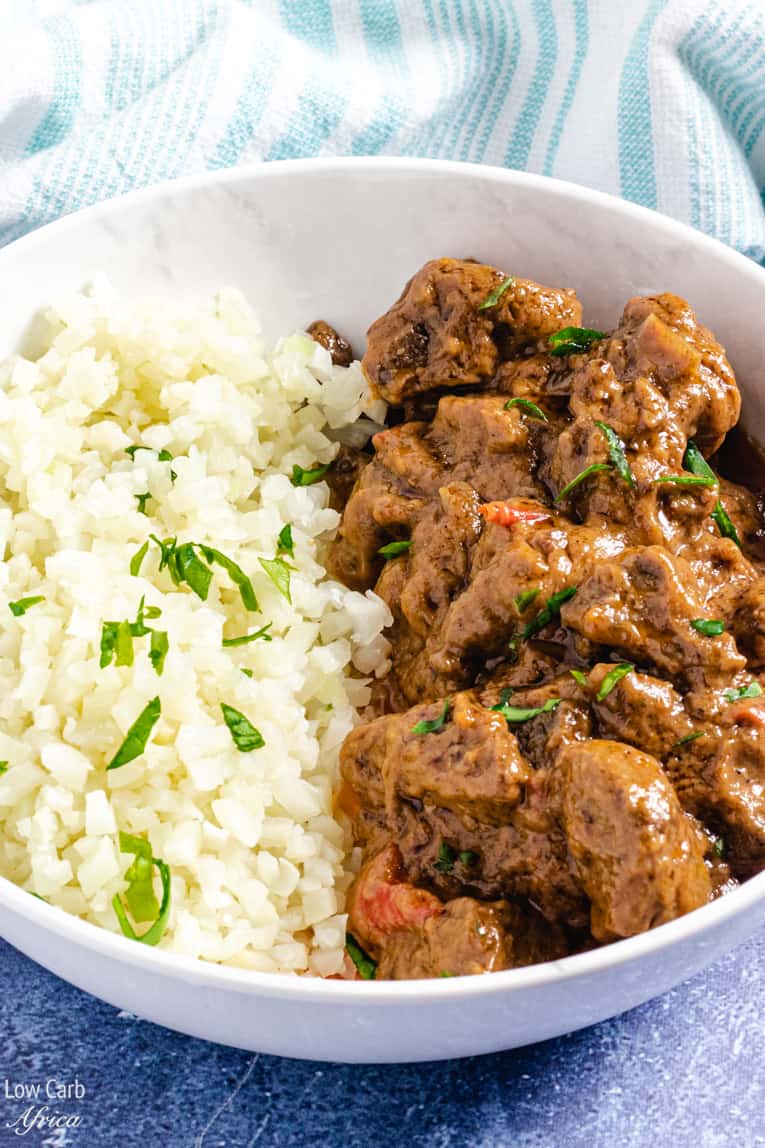
Maafe (also called Mafe) is a thick, creamy West African peanut stew with just the right amount of heat, and it’s one of my all-time favorite comfort foods to make for my family. You get incredible rich flavor from the peanut paste and tomatoes, and the whole thing comes together without spending all day in the kitchen.
🧡 Why You’ll Love This Recipe
I make this recipe all the time because it is so simple but tastes like it took hours to cook. I just love how the peanut butter melts into the tomato sauce to create a velvet-smooth texture.
This authentic African peanut stew is a great way to use up chicken drumsticks or beef chunks without making a boring soup. Plus, this recipe is perfect for meal prep because it stays fresh in the fridge for days.
If you are watching your carbs, you can easily pair this with cauliflower rice instead of white rice or fufu. It is a filling meal that everyone in your house will want seconds of.
💭 What is Maafe?
Maafe is a famous peanut stew that comes from Senegal in West Africa. Depending on where you are, you might see it spelled as Mafe, Mahfe, or even Maffé. It is a thick, savory sauce made with ground peanuts (or peanut butter), tomatoes, and spices.
Many variations of this peanut butter stew are eaten in different countries on the west coast of Africa, and it goes by different names. In Gambia, peanut stew is made with squash or sweet potatoes and is known as Domoda. In Nigeria, it is called Groundnut Soup and is usually eaten with fufu or rice.
Most people make it with chicken, beef, or lamb, but you can also make a vegetarian version using just your favorite leafy greens. It has a unique flavor that is salty, a little bit sweet, and can be as spicy as you like. It is the ultimate comfort food that people across West Africa have enjoyed for a very long time.
One thing is certain – Maafe is a staple food in African cuisine. It has so many complex and bold flavors that will leave you wanting more. And I make mine in just one pot, so there is less clean-up!
This stew is very easy to make and tastes even better the next day. It uses simple ingredients you probably already have in your pantry. If you like creamy sauces with a spicy kick, you are going to love this recipe. It is also naturally low in carbs if you serve it with the right sides.
🧾 Ingredients I Use
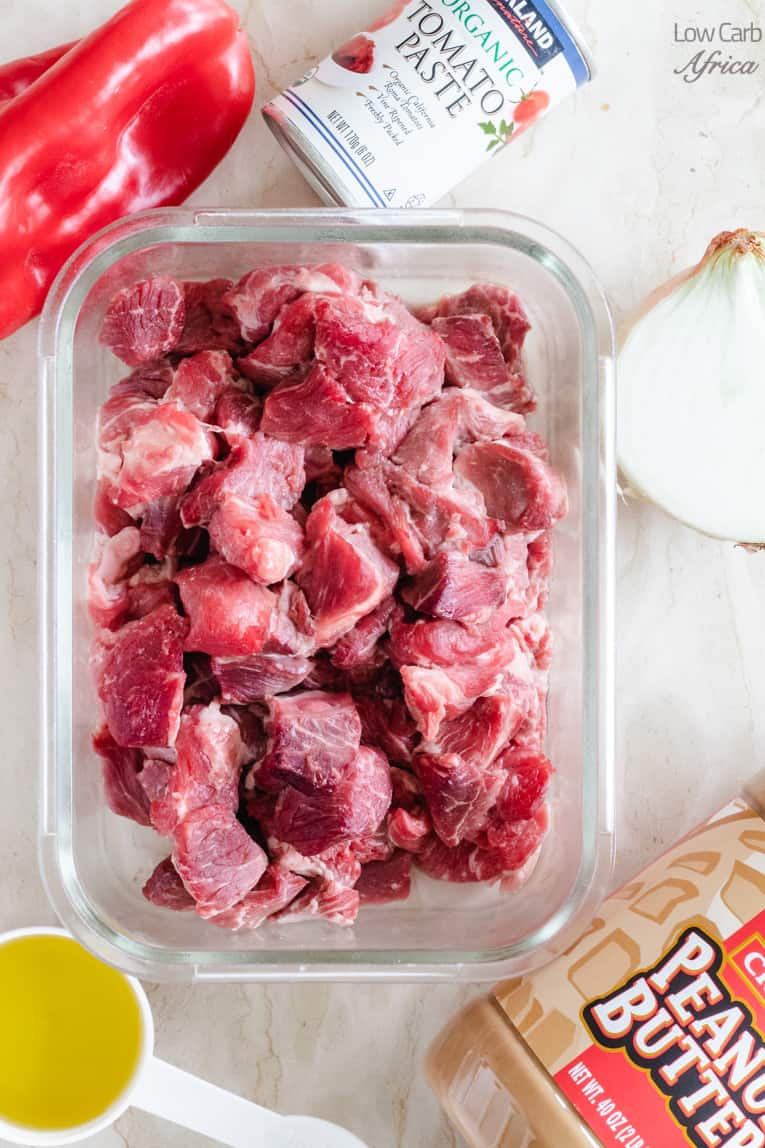
Many variations of African peanut stew are made in different African countries, but it is so easy to make this dish your own.
- Beef: You can use beef, lamb, chicken, or any meat of choice. You can even leave it out entirely for a vegan or vegetarian stew option.
- Peanut butter: A peanut stew won’t be complete without this. Store-bought peanut butter is a good choice or you can use roasted ground peanuts as West Africans do it for a more authentic version.
- Vegetables: The most common vegetables for the stew are onions, red pepper, and tomato paste. I use tomato paste rather than tomatoes because it has a sharper taste and gives more richness to the peanut butter stew. You can add as many vegetables as you want, but I like to keep it simple.
- Spices: bouillon, cayenne pepper, black pepper, and salt.
- Water and stock/broth: You can use chicken broth, vegetable stock, or any other stock/broth. If you don’t have any on hand, just use water but add more spices.
- Olive oil: to sauté the meat and vegetables.
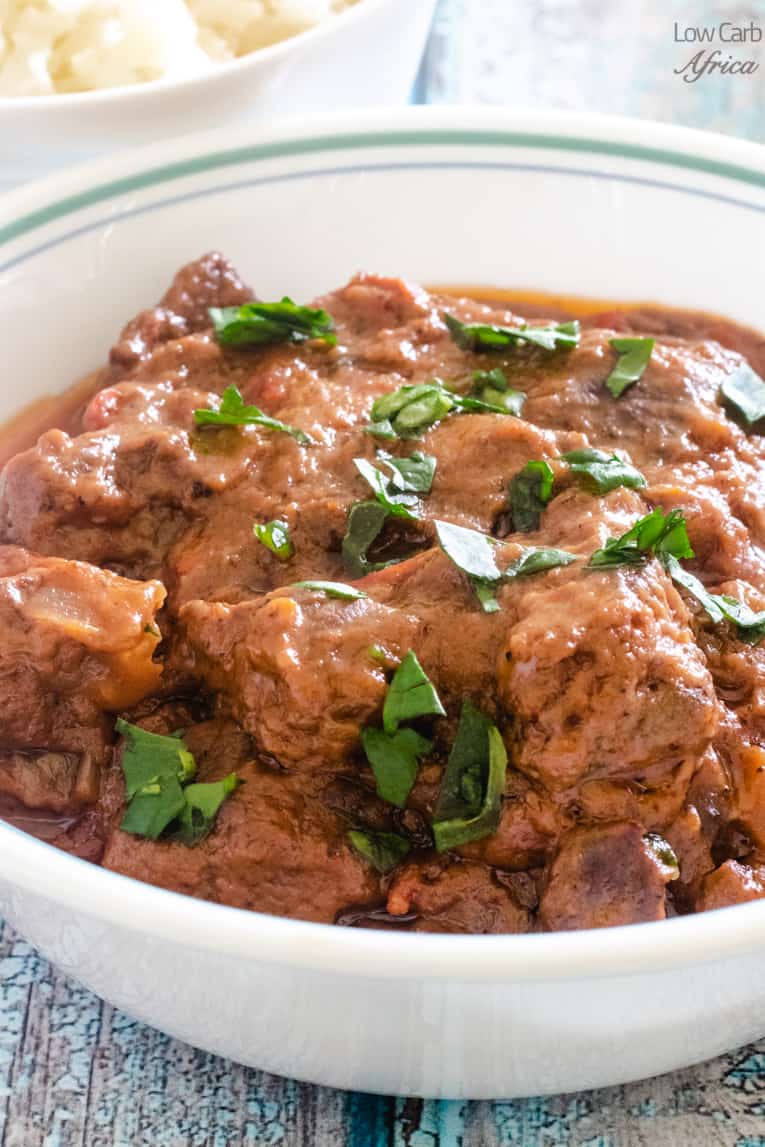
🔪 How To Make Maafe
- Wash the beef and cut it into smaller pieces using a sharp knife.
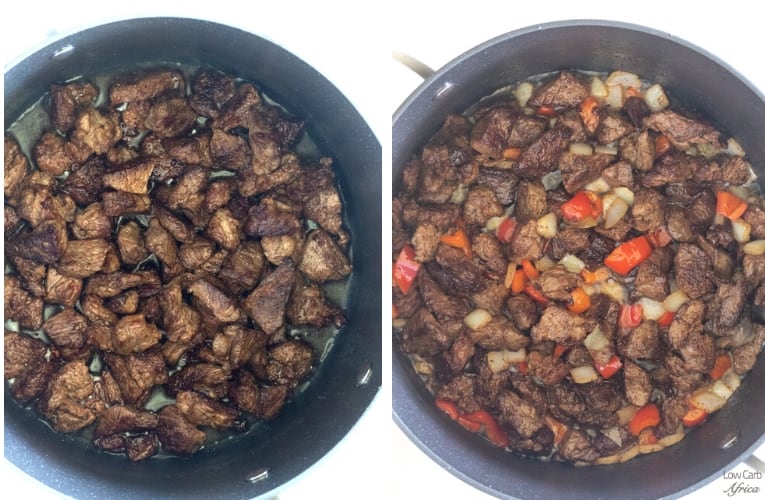
- Heat some olive oil in a large pot over medium heat. You can use a stew pot, dutch oven, or any other pot you like. When it gets hot, add the beef, black pepper, and a pinch of salt, and sauté till the meat turns golden brown. This can take anywhere from 8 to 10 minutes. Depending on the size of your pot, you may have to do this in batches.
- The next step is to chop the onions and bell pepper and add them to the meat. Stir and saute onions and peppers for a couple of minutes.
- Add the tomato paste and stir a little bit until it dissolves and is mixed in. Turn the heat down a bit and cook for about 5 minutes.
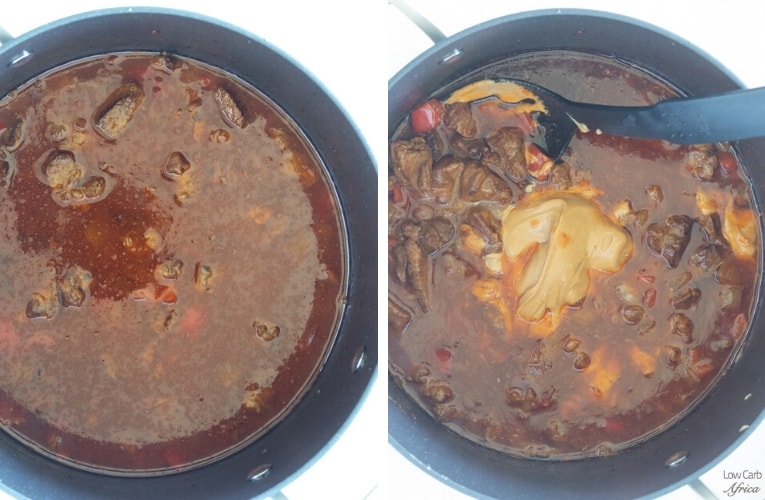
- Add water, stock, bouillon, cayenne pepper, and salt to taste. If you use stock, remember to add the salt last, so you don’t add too much.
- Bring everything to a boil and cook for five more minutes on high heat. Add the peanut butter and stir till it is dissolved. Let it cook till it thickens, roughly 2-5 minutes. If you used chicken, lamb, or another choice of meat, you might have to let it cook longer until the meat is cooked through.
♨️How To Store and Reheat
This peanut stew keeps well in the fridge in an airtight container for up to 5 days. You can also freeze it for 2-3 months. To reheat, simply heat in a pot on the stovetop with a little water.
💡 My Expert Tips
- If you use beef for your peanut stew, cut it into smaller pieces before sautéing, to cut down on your cooking time.
- You can adjust the cayenne pepper to your desired preference or also add red chili flakes. To increase the heat, add a whole habanero pepper after adding the stock.
- After adding the peanut butter, you can add a little water if the stew is too thick.
- If you prefer chicken, try this African chicken peanut stew. So delicious!
🍽️ What to Serve With Mafe
This delicious African stew is most commonly eaten with rice. For a low-carb option, I serve my Maafe with cauliflower rice.
👩🍳 Questions You Might Have
What is maafe?
Maafe (also spelled mafe) is a West African peanut stew made with peanut butter, tomatoes, and your choice of meat. It is rich, creamy, and slightly spicy. It is one of the most popular dishes in Senegal and across West Africa.
How do you pronounce maafe?
The pronunciation is similar for both Mafe and Maafe and it is pronounced “mah-feh.” The double A just makes the first syllable a little longer.
What meat goes in maafe?
Beef and lamb are the most traditional choices, but chicken works great too. You can even leave the meat out and make a vegetarian version.
Is maafe the same as groundnut soup?
They are very similar! Groundnut soup is the name used in Nigeria and Ghana, while maafe is the Senegalese name. The base is the same: peanuts, tomatoes, and spices.
What do you eat mafe with?
In Senegal, mafe is traditionally served with white rice. For a low carb option, cauliflower rice works perfectly.
Can you make maafe ahead of time?
Yes, and it actually tastes better the next day. The flavors get deeper as it sits. Store it in the fridge for up to 4 days or freeze it for up to 3 months.
📚 Related Recipes
Enjoy these delicious low carb African dishes!
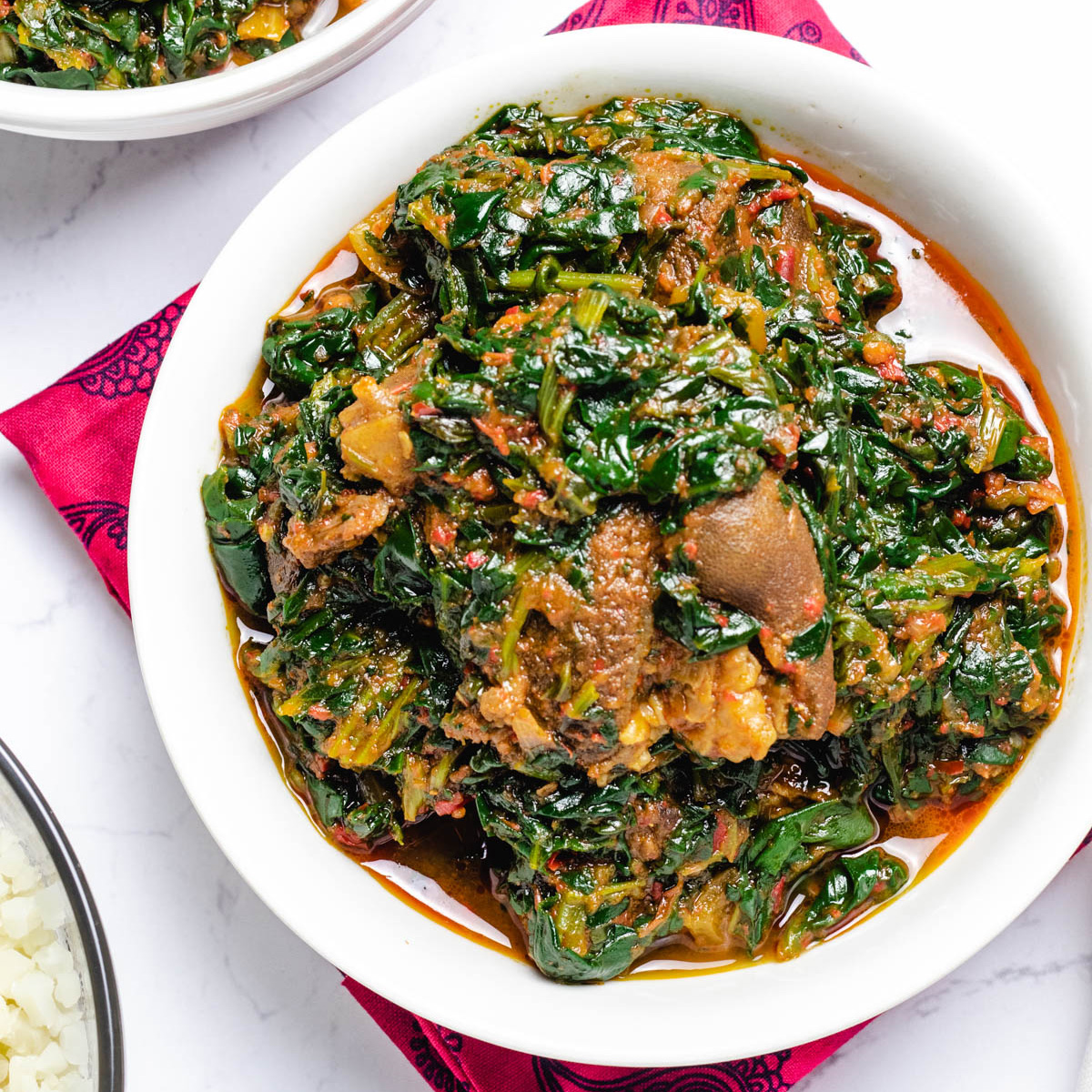
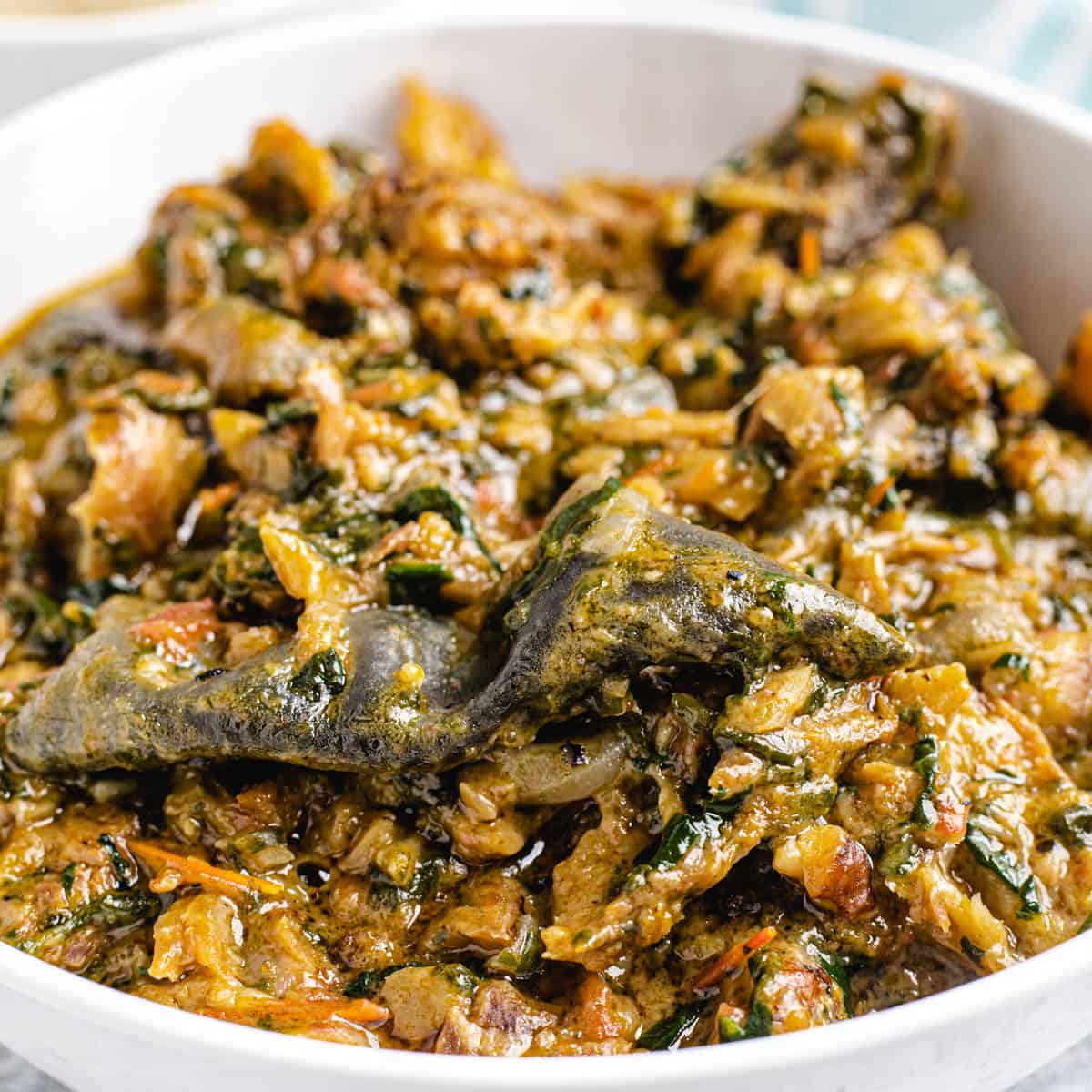
Efo Riro (Nigerian Spinach Stew)
Sukuma Wiki (Kenyan Collard Greens)
Originally published in March 2022, this post was updated in April 2026 for accuracy and to include more helpful content.
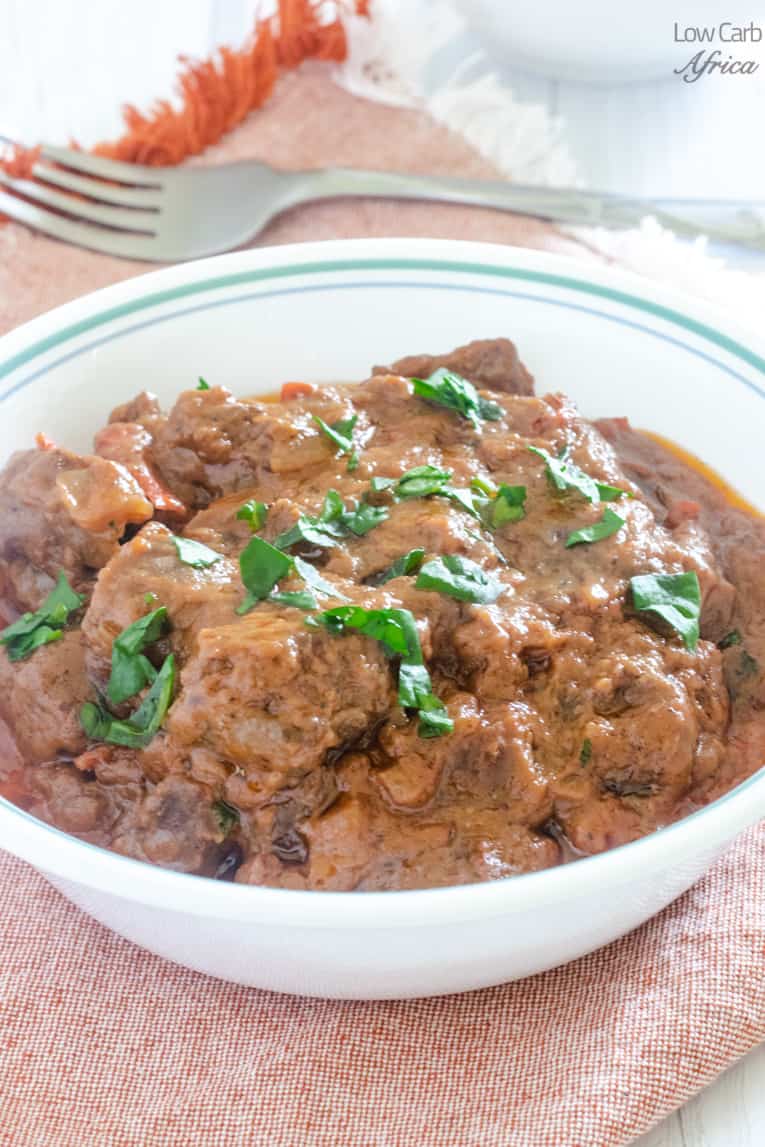
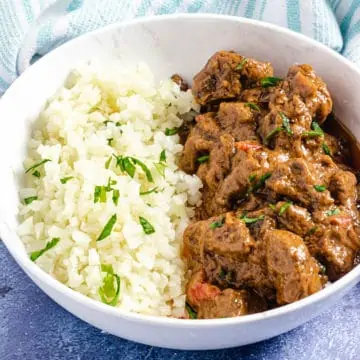
Mafe/Maafe (Senegalese Peanut Stew)
Ingredients
- 2 lbs stew beef
- 1/2 cup peanut butter
- 1 red bell pepper
- 2 tbsp tomato paste
- 1 onion
- 1 tbsp beef bouillon powder
- 1 tsp cayenne pepper
- 1/4 cup olive oil
- 1 tsp salt to taste
- 1 tsp black pepper
- 1 cup water
- 2 cups stock/broth
- pinch of salt to brown the beef
Instructions
- Wash beef and cut into smaller pieces.2 lbs stew beef
- Pour olive oil into a pan on medium heat.1/4 cup olive oil
- Add beef, black pepper, and a pinch of salt, and saute for 8-10 minutes.1 tsp black pepper, pinch of salt
- Chop the onions and red bell pepper.1 red bell pepper, 1 onion
- Add onions and red bell pepper and saute for 3 minutes.
- Add tomato paste and stir.2 tbsp tomato paste
- Cook for about 5 minutes.
- Add water, stock, bouillon, cayenne pepper and salt to taste.1 tbsp beef bouillon powder, 1 tsp cayenne pepper, 1 cup water, 2 cups stock/broth, 1 tsp salt
- Bring to a boil and cook for 5 more minutes.
- Add peanut butter and stir till it is dissolved.1/2 cup peanut butter
- Let it cook till it thickens, roughly 2-5 minutes.
- Serve with cauliflower rice and enjoy!
Notes
- If you use beef for your peanut stew, cut it into smaller pieces before sautéing, to cut down on your cooking time.
- You can adjust the cayenne pepper to your desired preference. To increase the heat, add a whole habanero pepper after adding the stock.
- After adding the peanut butter, you can add a little water if the stew is too thick.
- If you prefer chicken, try this African chicken peanut stew. So delicious!