• Skip to main content
  • Skip to primary sidebar
  • Skip to footer

Low Carb Africa logo

menu icon
go to homepage
  • Recipes
    • 30 Minutes or Less
    • Main Dishes
    • Soups, Stews and Curries
    • Seafood Recipes
    • Appetizers and Sides
    • Breakfast and Brunch
    • Keto Desserts
    • Air Fryer Recipes
    • Instant Pot Recipes
  • A Taste of Africa
    • African Main Dishes
    • African Soups
    • African Keto Fufu
    • African Stews
    • African Side Dishes
  • About
  • Shop
  • Free Meal Plan
subscribe
search icon
Homepage link
  • Recipes
    • 30 Minutes or Less
    • Main Dishes
    • Soups, Stews and Curries
    • Seafood Recipes
    • Appetizers and Sides
    • Breakfast and Brunch
    • Keto Desserts
    • Air Fryer Recipes
    • Instant Pot Recipes
  • A Taste of Africa
    • African Main Dishes
    • African Soups
    • African Keto Fufu
    • African Stews
    • African Side Dishes
  • About
  • Shop
  • Free Meal Plan
×

Jute Leaves (Egyptian Spinach) Benefits

Published on Oct 4, 2022. Updated on Jun 1, 2026. By Tayo. This post may contain affiliate links. See Disclosure. 2 Comments

Benefits of Jute leaves, saluyot, egyptian spinach

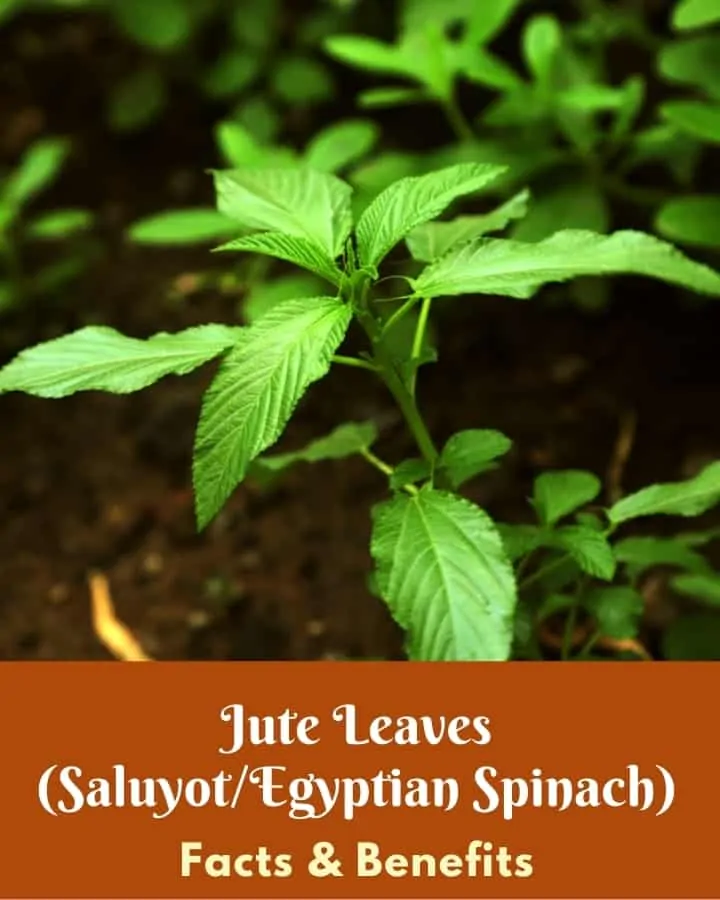
Jute leaves, also known as Saluyot, Jew's mallow or Jute mallow, is an amazing superfood that has a lot of powerful health benefits.
quick links
  • What are Jute Leaves?
  • The many names of Jute leaves
  • Health benefits
  • Are Jute Leaves edible?
  • Where to get them
  • How to preserve Jute leaves
  • How to cook with Jute Leaves
  • 💬 Comments

What are Jute Leaves?

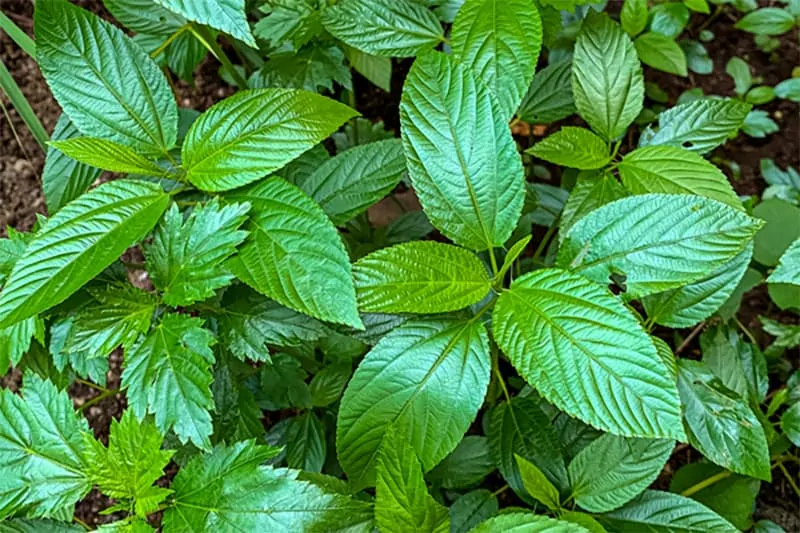
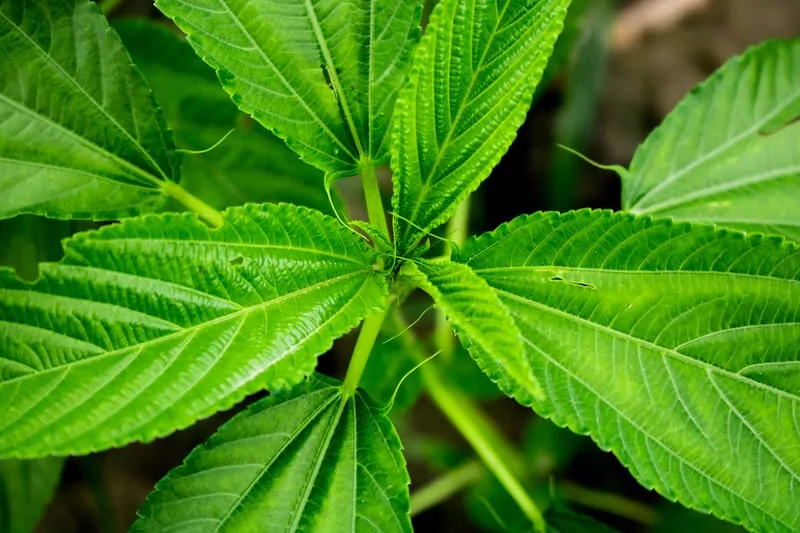
Jute leaves (Corchorus olitorius) are a green leafy vegetable that has a host of benefits and can be eaten in so many different ways.

They come from a fibrous plant, known as Jute plant. The stem of a jute plant is commonly spun into strong, coarse threads, but the leaves are highly nutritious and consumed in many parts of the world.

Many believe jute leaves are native to Egypt and are thus referred to as Egyptian Spinach, although it is popular in parts of Africa, Asia, and the Middle East.

The many names of Jute leaves

Jute leaves go by various names depending on your country of origin. 

Here are some of the names Jute leaves is known by in different countries:

  • Mulukhiyah / Mulukhiyyah - Egypt
  • Ewedu - Nigeria
  • Saluyot - Philippines
  • Ayoyo - Ghana
  • Mrenda - Kenya
  • Ademe - Togo
  • Wild Jute - South Africa
  • Molokhia - Middle East
  • Lalo - Haiti
  • Rau day - Vietnam

Health benefits

ewedu leaves,jute leaves

Jute leaves are a nutrient-powerhouse, filled with vitamins, minerals, and anti-oxidants, that are very beneficial to the body. Some of their many benefits include:

Anti-aging effects

It is rumored that Cleopatra ate a lot of these leafy greens to preserve her youth and keep her skin healthy!

Jute leaves contain antioxidants and omega-3 fatty acids, which help slow down the signs of aging and promote healthy skin.

Improves digestion

Jute leaves help to prevent constipation and improve gut health. It is also used to treat a variety of stomach ailments such as diarrhea, bloating, and gas.

Immune-boosting and anti-inflammatory effects

Jute leaves help boosts the immune system and fights off colds and viruses. It helps treat inflammation in the body because it's a super source of antioxidants. 

Healthy Hair, Teeth, and Bones

Jute leaves are very rich in calcium, vitamins A, C, and K. These vitamins add nutrients to the hair, strengthening them from the inside out, and helps get rid of split ends. They also improve the health of teeth and gums and preserves bone density.

Weight loss

Jute leaves are rich in fiber and low in calories and carbs. They are great for weight loss and increase the feeling of fullness, which makes you eat less.

Insomnia

If you struggle with insomnia, jute leaves will be very beneficial for you. Magnesium is commonly used to treat sleep disorders, and one cup of jute leaves contains 54mg of magnesium.

Jute mallow also helps prevent restless leg syndrome, a condition where a person feels cramps, numbness, and tingling sensations in the leg. Due to its rich iron source, the leaves help mitigate these effects and strengthen the leg muscle.

Treatment of Asthma and Breathing Problems

Jute leaves are beneficial for people dealing with breathing issues like asthma. The magnesium it contains relaxes the bronchial muscles and helps regulate breathing.
Jute leaves

Are Jute Leaves edible?

Yes, they are edible and can be eaten raw, cooked, steamed, or pureed. When cooked, the leaves become quite slimy. Though this might be a turn-off for some people, this mucilaginous quality is especially helpful for a lot of digestive issues.

Where to get them

These leaves can be found in local grocery stores in countries where they are grown natively. If they are not grown anywhere near you, you might be able to find them in African, Asian, or Middle-Eastern stores, in your country.

If you can't get the fresh leaves, the frozen ones work just as well. They also last longer since they are already frozen, and you can store them in the freezer for several months.

How to preserve Jute leaves

If you have fresh leaves, they are best stored when dry. First, dry them thoroughly, then wrap them in paper towels and refrigerate them. They should remain fresh for one to two weeks. 

You can also blend them in a little water and freeze them in an airtight container or Ziploc bag. This is one of the best ways to preserve jute leaves for long-term storage.

How to cook with Jute Leaves

Jute leaves have a somewhat bitter taste when fresh. They are gelatinous and have an extremely slippery texture. The longer they cook, the slimier and thicker they get.

Jute leaves can be cooked in various ways, which brings out their delectable taste and flavor.

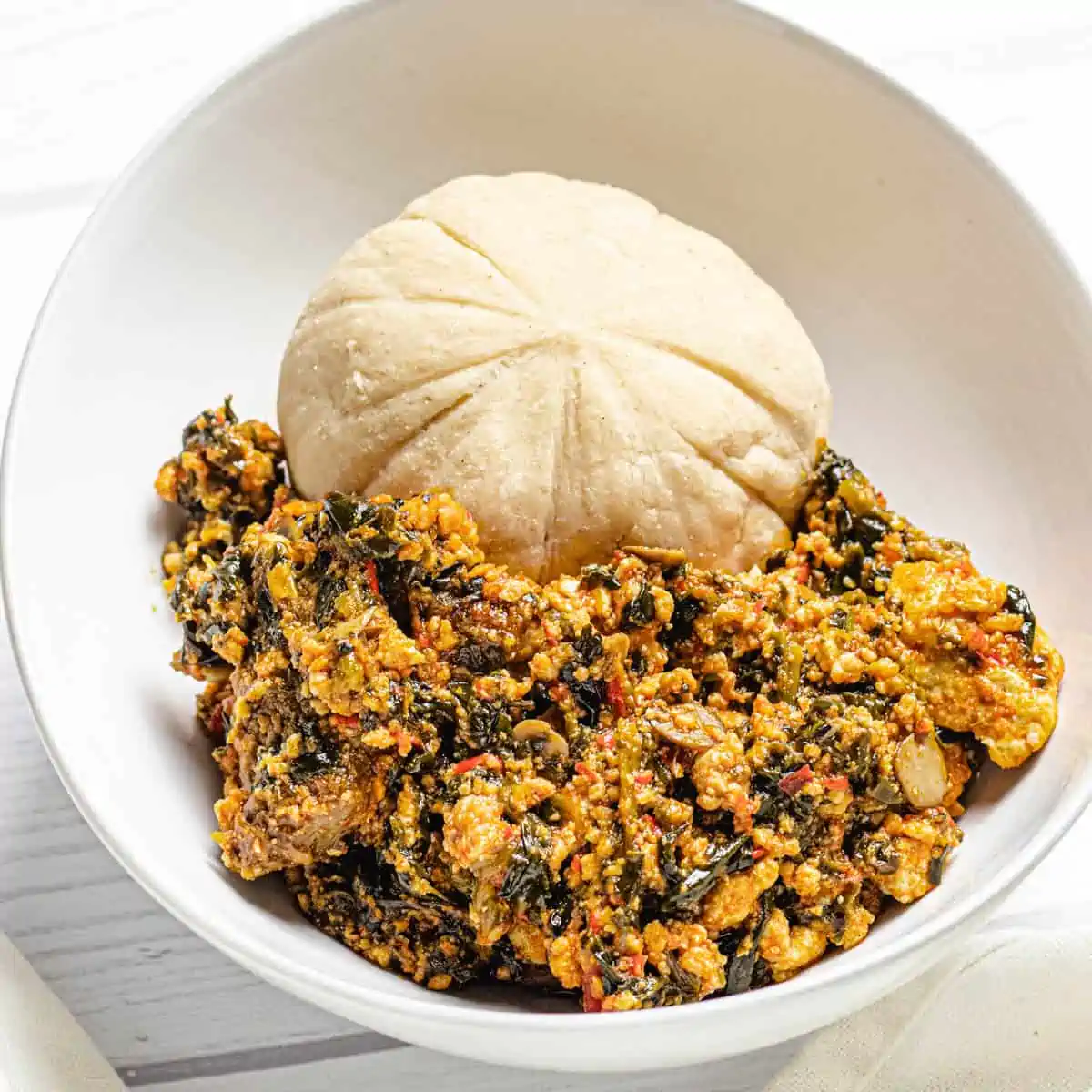
In Nigeria, they are used to make a 'draw soup' eaten with fufu. This delicious and nutritious soup is known as Ewedu Soup.

Jute leaves can also be used as a soup thickener. In Kenya, they are eaten with ugali, which is a staple in the country. In Japan, these leaves can be used as a coffee or tea substitute.

In Egypt, jute leaves are used to make Molokhia (Mulukhia), a hearty, leafy stew eaten with rice or bread.
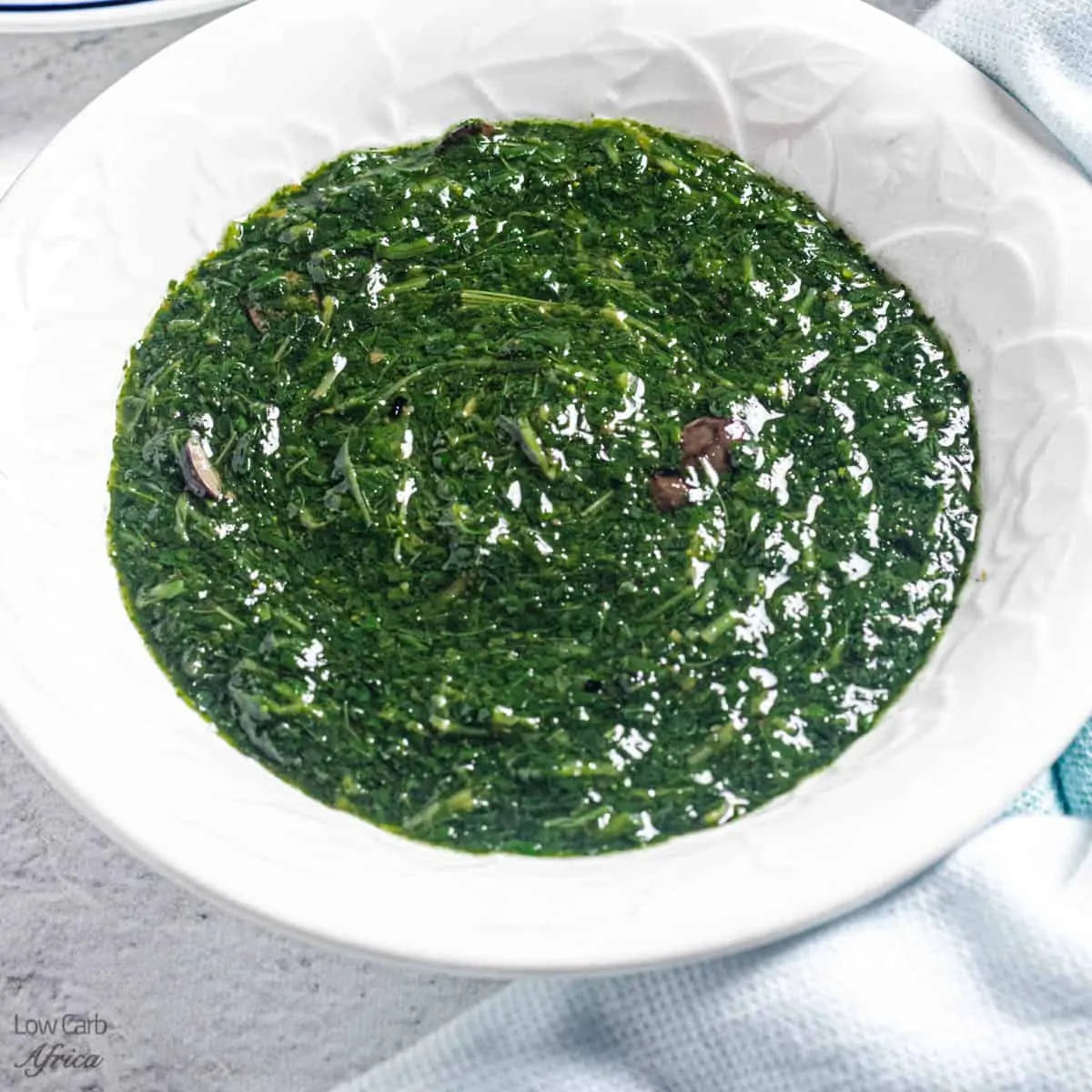
plate of African jute leaves soup (Ewedu soup)

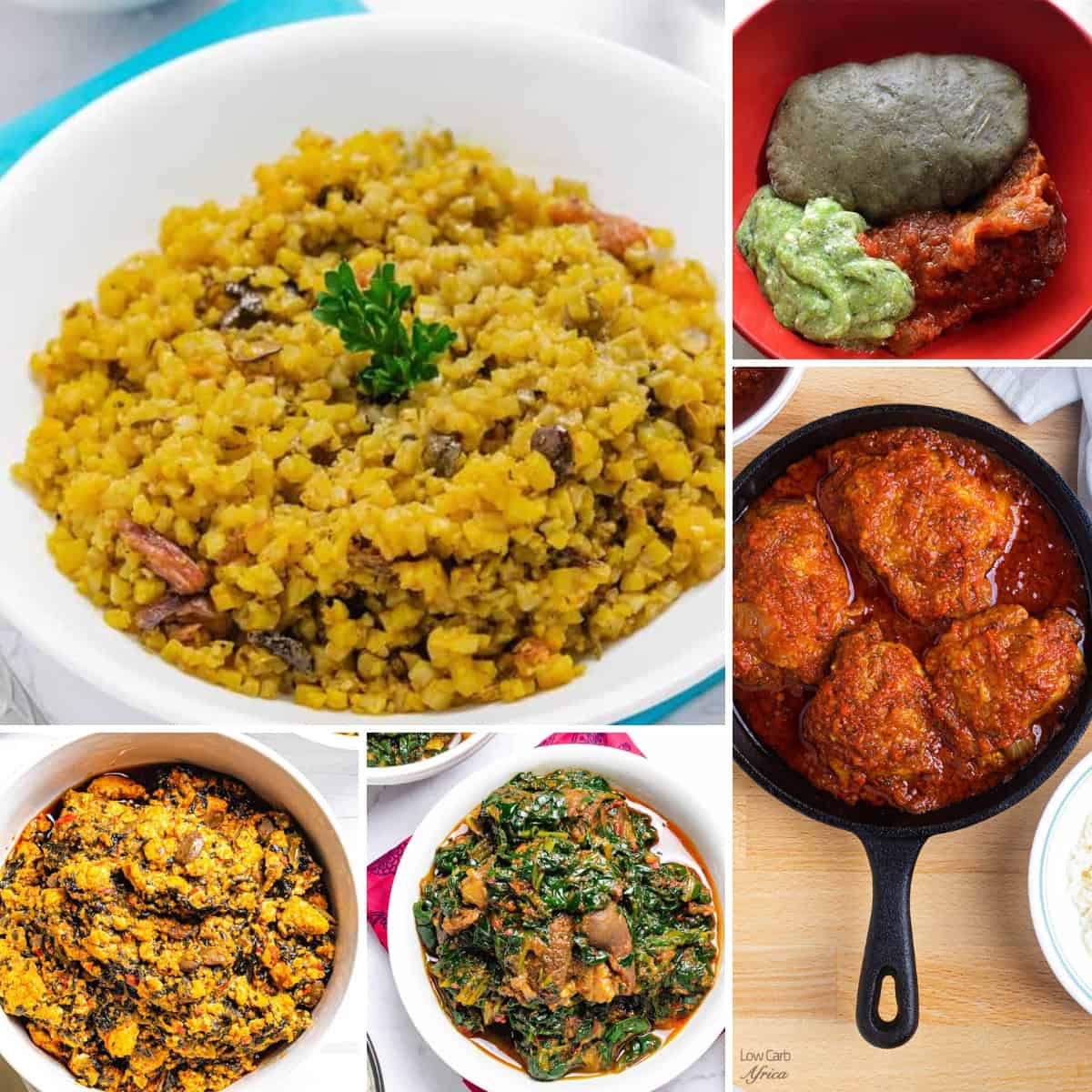
Here are some more interesting articles about African foods!

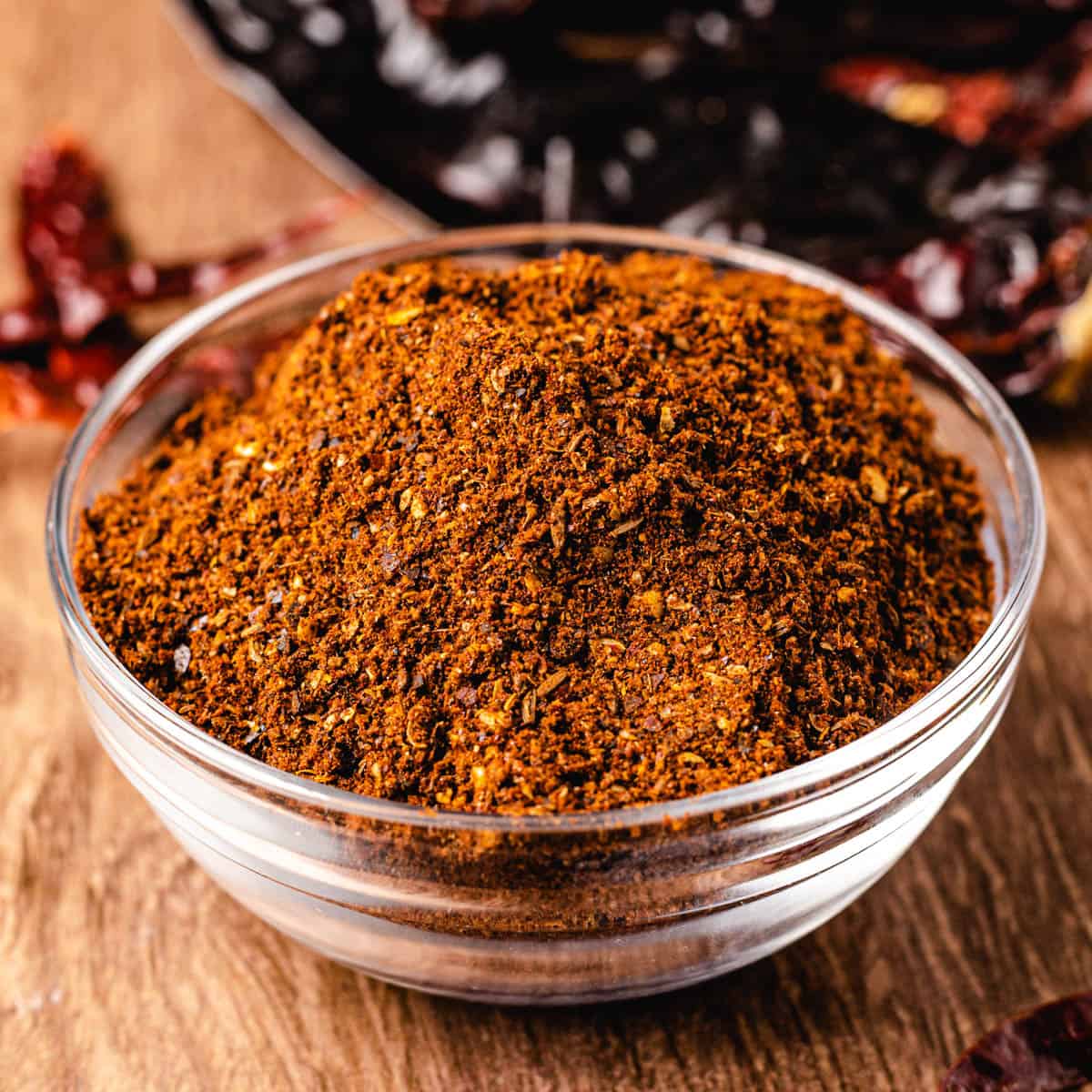
African Spices and Seasonings

African Vegetables

Nigerian Foods for Weight Loss

Scotch Bonnet vs Habanero

What is Fufu?

Best Nigerian Soups to Try!

Enjoy these African Dishes!

Doro Wat

Berbere Chicken

Zaalouk Moroccan Salad

Harissa Chicken

Shakshouka

African Snail Recipe

Tayo Oredola
Tayo Oredola

Tayo Oredola is the founder of Low Carb Africa, where she shares healthy, low carb dishes with global flavors. She is passionate about teaching people how to cook drool-worthy dishes while losing weight and living their best lives. Tayo’s recipes have been featured on MSN, Women’s Health, Parade, Yahoo News, Pure Wow, Essence, and other online publications.

More African Food Facts

  • beans on keto
    Beans on a Low Carb Diet
  • harissa powder in a small bowl
    African Spices and Seasonings
  • vegetables used in Nigerian cuisine
    African Vegetables (Leafy Greens)
  • Best Nigerian foods for weight loss
    The Best Nigerian Foods for Weight Loss

Reader Interactions

Comments

  1. Lora says

    March 08, 2022 at 12:58 pm

    Thank you for writing about this plant! My mom is Egyptian and my dad is Palestinian so I ate it a lot growing up! I'm in the states now and haven't had it in a very long time!

    One question though: Why do you differentiate Egyptian and Middle Eastern style "molokhia?" It's essentially the same dish with the same name, just a different spelling.

    Reply
    • Tayo says

      March 15, 2022 at 12:55 pm

      You're welcome, Lora! I'm not sure about the Middle Eastern version but they are quite similar.

      Reply

Leave a Reply Cancel reply

Your email address will not be published. Required fields are marked *

Recipe Rating


Primary Sidebar

Hi, I'm Tayo!

tayo oredola

Welcome to Low Carb Africa, the home of Keto & Low Carb African-inspired recipes. I specialize in creating mouthwatering recipes with rich, bold, and spicy flavors. Get ready to lose weight, look amazing and be in your best health ever!

More about me →

  • Facebook
  • Instagram
  • Pinterest
  • YouTube

Soup Favorites

  • Keto Cabbage Soup
  • Keto Mushroom Soup
    Keto Mushroom Soup
  • Goat Meat Pepper Soup
    Goat Meat Pepper Soup
  • Keto chicken noodle soup
    Keto Chicken Noodle Soup

Reader Favorites

  • jamaican oxtail soup
    Oxtail Soup Recipe
  • low carb keto palmini pasta
    Palmini Pasta Shrimp Stir Fry
  • Sausage and Spinach Frittata
    Easy Sausage and Spinach Frittata
  • spicy cabbage soup ready to eat
    Spicy Cabbage Soup

Popular African Recipes

  • Nigerian okro soup
    Okro Soup - Nigerian Okra Soup
  • Cauliflower Fufu
    Cauliflower Fufu (Swallow)
  • efo riro
    Efo Riro - Nigerian Spinach Stew
  • asun meat peppered goat meat ready to eat
    Asun Recipe (Peppered Goat Meat)
  • close up shot of African chicken stew
    Nigerian Chicken Stew
  • Nigerian egusi soup in a white bowl
    Egusi Soup

Footer

FEATURED ON:

Footer

  • Facebook
  • Instagram
  • Pinterest
  • YouTube

↑ back to top

Browse

  • Recipe Index
  • Shop Digital Products
  • Amazon Store

Resources

  • Free 7-day keto meal plan
  • African Spices & Seasonings
  • How To Be Successful on Keto
  • What is Fufu?

Information

  • About Me
  • Contact
  • Privacy Policy
  • Disclosure Policy
  • Accessibility Policy

COPYRIGHT © 2026. Low Carb Africa, LLC. All Rights Reserved.

Low Carb Africa is a participant in the Amazon Services LLC Associates Program. As an Amazon Associate, I earn from qualifying purchases.